.svg)




How to Retire in Honduras: Costs, Visas and More – SmartAsset
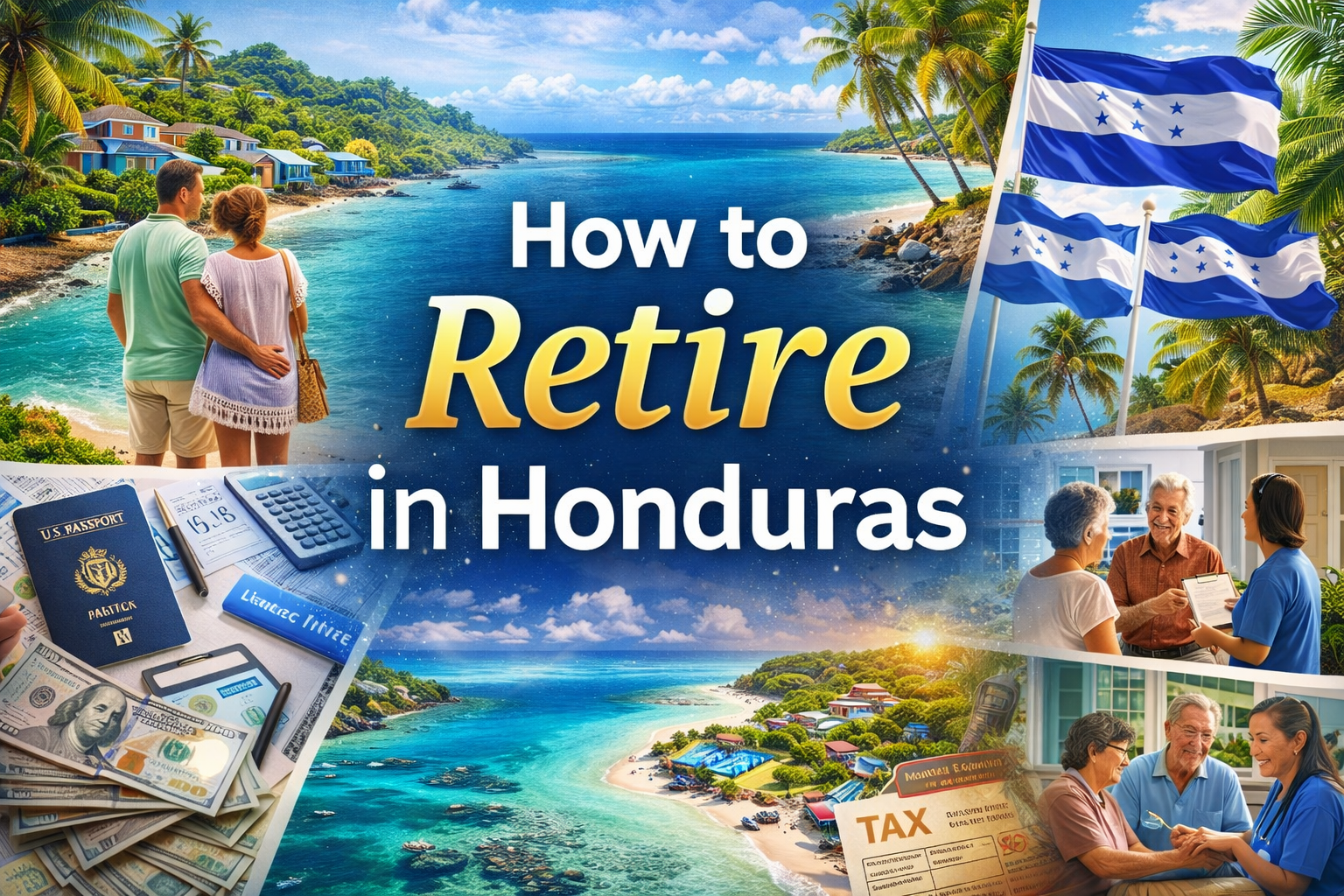
Retiring abroad is gaining momentum with Americans and Canadians who want a warmer climate and a lower monthly budget. Honduras is a popular Central America option thanks to its Caribbean coastline, affordable living, and accessible residency pathways.
This guide explains how to retire in Honduras, including expected costs, visa options, healthcare, taxes, and practical tips—based on commonly discussed points in SmartAsset-style retirement coverage.
Why retire in Honduras?
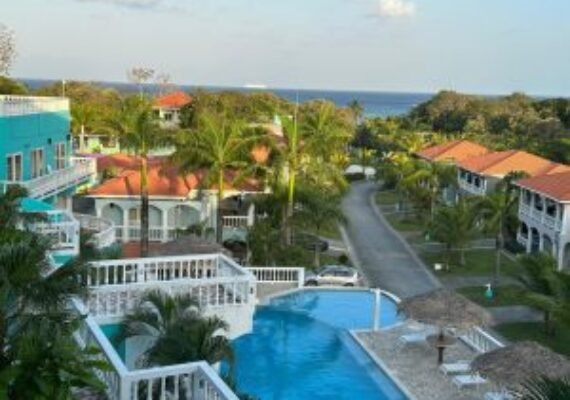
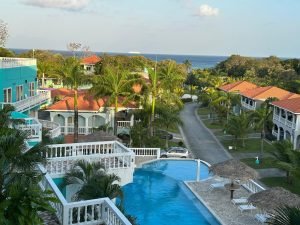
Honduras offers a relaxed pace of life and a wide range of environments—from island living to modern city amenities. Popular retirement areas include Roatán (Bay Islands), La Ceiba, Tela, and select neighborhoods near San Pedro Sula and Tegucigalpa.
- Warm climate and Caribbean beaches
- Lower living costs than many U.S. metros
- Growing expat communities in select areas
- Multiple residency categories for retirees
Cost of living in Honduras
Affordability is one of the top reasons people research how to retire in Honduras. Your monthly costs will depend heavily on where you live (mainland vs. islands) and your lifestyle.
Housing costs
- Rent (1-bedroom, city center): roughly $400–$800/month (often less outside prime areas)
- Roatán beach areas: frequently higher, especially near West Bay / West End
- Buying a home: can be significantly cheaper than comparable U.S. markets, but varies by location
Monthly living expenses
Many retirees estimate a comfortable budget of $1,500 to $2,500 per month for a couple, with higher budgets for beachfront or luxury living.
- Utilities: $100–$250
- Internet: $40–$70
- Groceries: $300–$600
- Healthcare coverage: varies by age and plan
Retirement visas in Honduras
Visa rules can change, so verify current requirements with a qualified attorney or the appropriate Honduran authorities. Still, retirees typically explore two main residency categories.
Pensionado (retiree) residency
The Pensionado category is a common path for retirees with lifetime pension income. Requirements often include proof of pension payments, background documents, and standard medical/identity paperwork.
Rentista residency
The Rentista category can apply to people without a pension but with stable passive income (such as annuities or investments). Income thresholds may differ from Pensionado.
Healthcare in Honduras
Healthcare quality and availability depends on your location. Many retirees prefer private clinics and hospitals in larger cities and on Roatán, using public options as a backup.
- Private care: often more modern and faster access
- Public care: lower cost but can be limited by capacity and resources
- Insurance approach: some retirees pay routine costs out-of-pocket and insure for major events
Taxes for retirees
Honduras generally operates with a territorial concept of taxation, and many retirees also must consider home-country filing requirements (for example, U.S. citizens typically still file U.S. taxes). Because tax situations differ, get professional advice before relocating.
Real estate considerations
Foreigners can own property in Honduras, but rules and processes can vary by area. Before buying:
- Use a reputable real estate attorney for due diligence
- Confirm clear title and property boundaries
- Understand any coastal or special-zone restrictions and legal structures used locally
Safety and lifestyle
Safety conditions vary by region. Many retirees choose islands, smaller coastal towns, or gated communities. Visiting first—ideally for several weeks—helps you evaluate neighborhoods, services, and daily routines.
Pros and cons of retiring in Honduras
Pros
- Lower cost of living
- Beach and tropical lifestyle options
- Residency categories for retirees and passive-income earners
Cons
- Infrastructure varies by region
- Imported goods can be expensive
- Paperwork and timelines may take patience
FAQ
How much does it cost to retire in Honduras?
Many retirees budget around $1,500–$2,500 per month for a comfortable lifestyle, depending on location. Beachfront living and premium rentals can increase costs.
What visa do retirees use in Honduras?
Common options include Pensionado (for qualifying pension income) and Rentista (for stable passive income). Confirm current requirements before applying.
Is healthcare affordable for retirees in Honduras?
Private care is often more affordable than U.S. pricing, especially for routine appointments, but quality can vary by area. Many retirees combine local private care with international insurance for major events.
Next step: If you’re seriously considering the move, plan a scouting trip, compare multiple areas, and speak with a qualified attorney about residency and real estate due diligence.